When a child becomes aggressive, our first reaction is understandably: how do we stop this behaviour?
But perhaps there is a second question worth asking:
What is this behaviour trying to tell us?
Bullying does not have one simple cause. Nor is every child who becomes angry or reacts intensely a child who bullies others. Family life, peer relationships, the school environment, the need for acceptance, self-esteem and many other factors can influence behaviour.
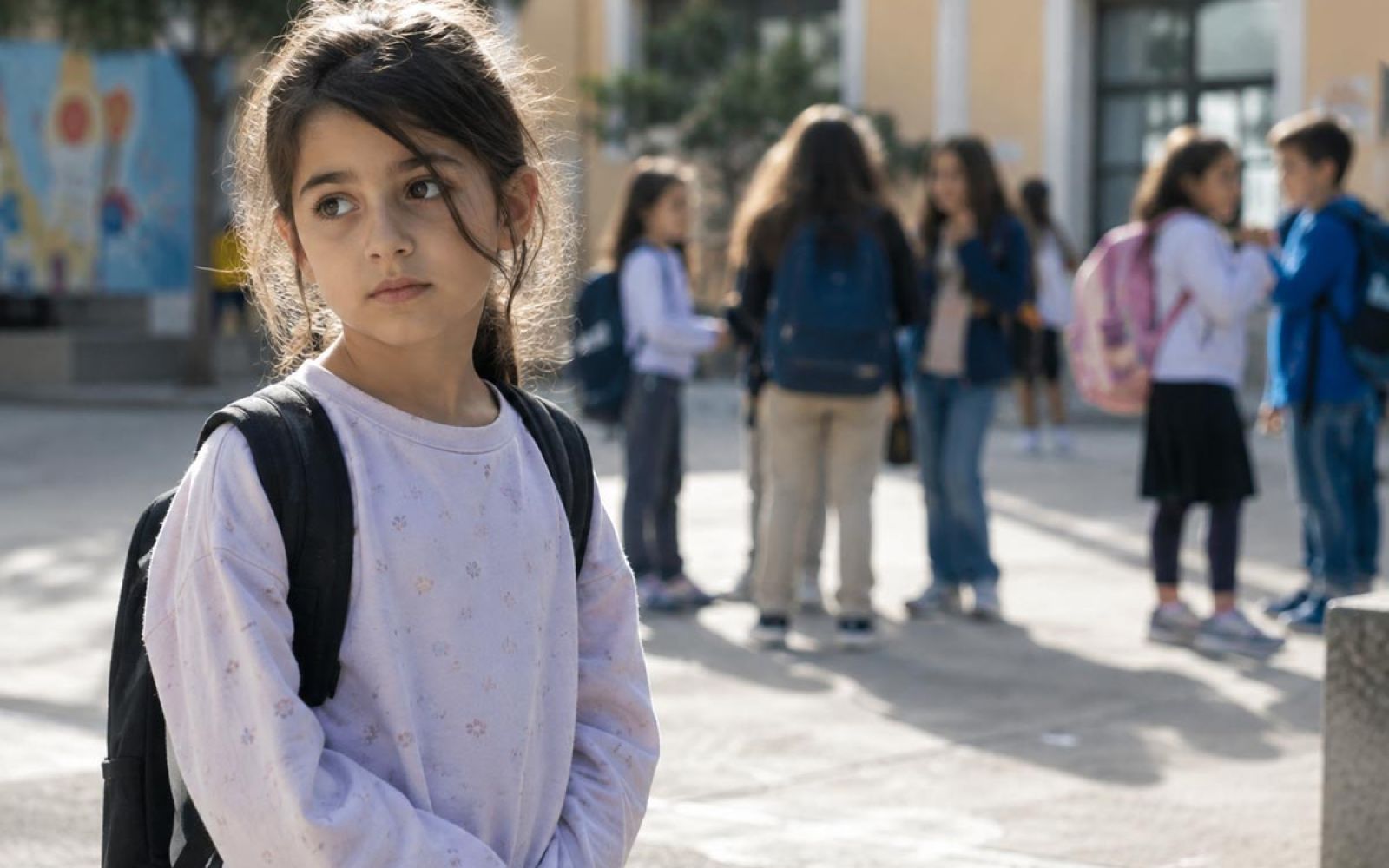
The figures are still worth our attention. In PISA 2022, 19% of girls and 28% of boys in Greece reported experiencing acts of bullying at least a few times a month. At the same time, 16% of students said they felt like outsiders at school.
The OECD observes that in education systems where students’ sense of belonging improved, students “felt safer and less exposed to bullying and other risks”.
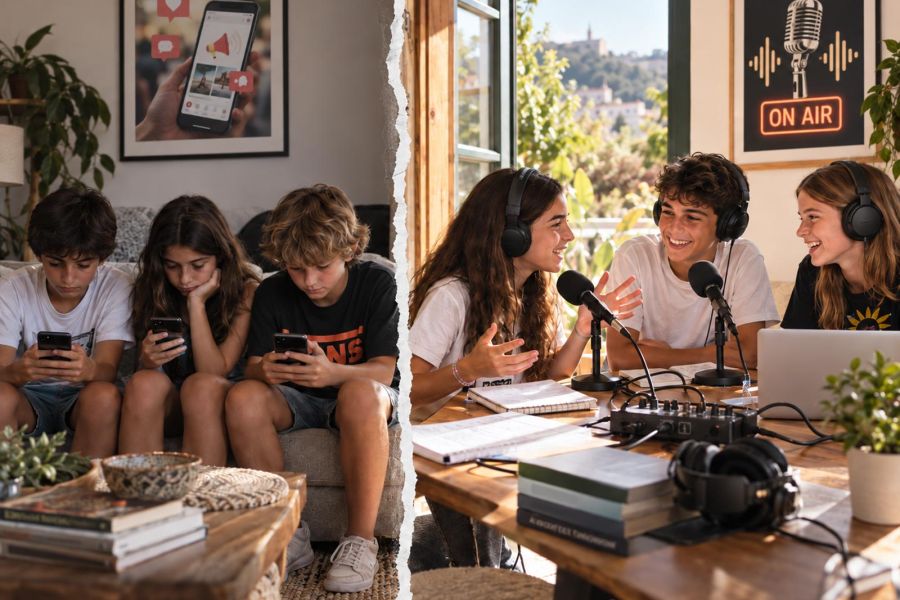
Perhaps, then, prevention is not only about teaching children what they should not do. It is also about giving them positive ways to feel that they belong, contribute and have something of their own in which they can make progress.
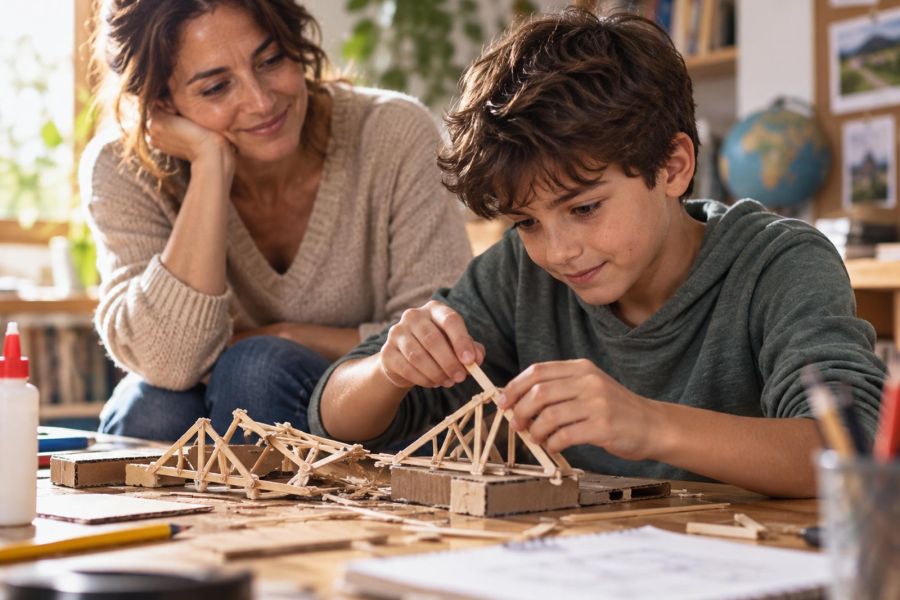
Children need spaces where they can collaborate, take responsibility, create, fail without humiliation and be recognised for something beyond a grade or their popularity.
What can we do as parents?
We can separate the child from the behaviour: “what you did was not right” rather than “you are a bad child”. We can take an interest in their friendships, not only their performance. Give them opportunities to feel useful and capable. And when we see repeated aggression or significant changes in behaviour, work early with the school and, where appropriate, with a qualified professional.
Because sometimes, before asking a child to change their behaviour, we need to help them discover a better way to find their place.
Tomorrow Me Labs: A thought for tomorrow:
We cannot know exactly what the world our children grow up in will look like. But we can give them more opportunities to discover, think, create and believe in what they can do.