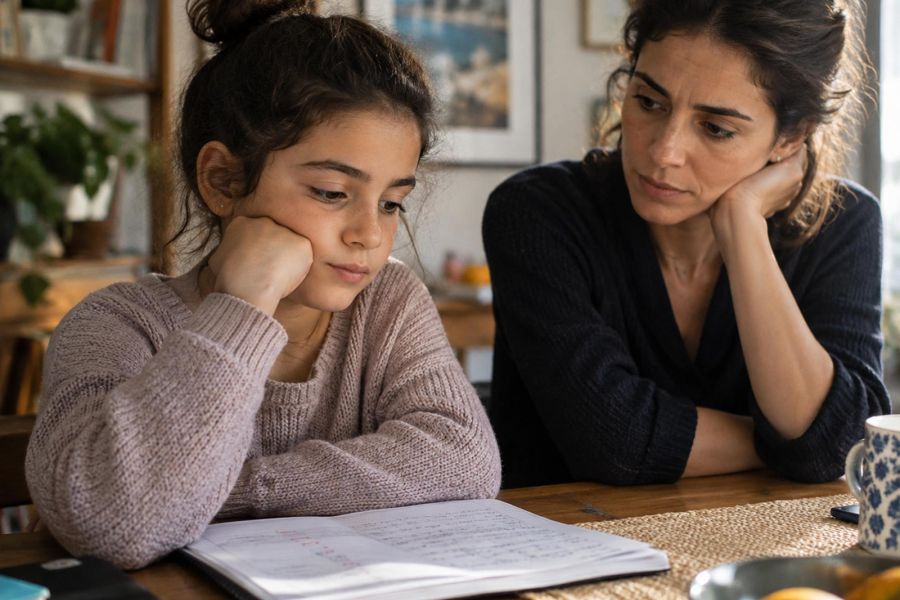
No parent wants to see their child struggle.
So we correct, remind, intervene and solve problems. Usually with the very best intentions.
But there is one skill that cannot develop without some degree of difficulty: resilience.
Resilience does not mean “toughening children up”. Nor does it mean leaving them alone to face serious problems. It means helping children gradually learn that they can face an obstacle, ask for help, adapt and try again.
The Harvard Center on the Developing Child emphasises that children need manageable challenges, supported by adults, in order to develop coping skills.
And one finding stands out: “The single most common protective factor is at least one stable and committed relationship with a supportive adult.”
That changes the way we can think about resilience.
We do not need to remove every obstacle from a child’s path. We need to stay close enough for them to know they are not facing it alone.
The World Health Organization estimates that around 1 in 7 young people aged 10–19 experience a mental disorder and highlights the importance of skills such as problem solving, emotional regulation and supportive relationships.
One small change in everyday life
The next time a child comes to us with a problem, instead of immediately providing the solution, we can try asking:
“What do you think you could do?”
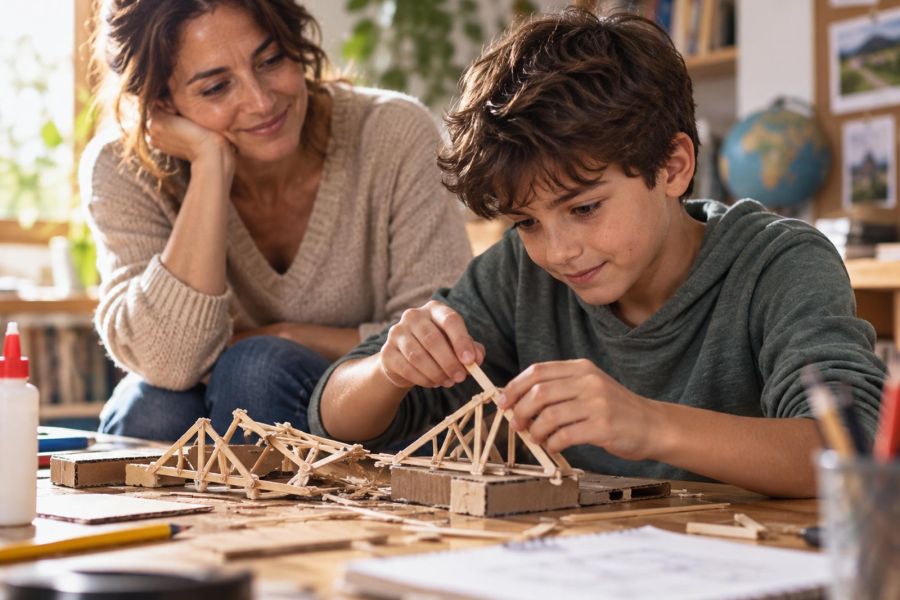
We can let them forget something and experience a small natural consequence. Complete a task independently even if it is not perfect. Lose a game. Try again after a project did not work.
We do not protect children from every difficulty.
We help them discover that they can handle it.
Tomorrow Me Labs: A thought for tomorrow:
We cannot know exactly what the world our children grow up in will look like. But we can give them more opportunities to discover, think, create and believe in what they can do.